

Insulation choices are not one-size-fits-all, especially in a coastal environment like Victoria.
While temperatures are milder than much of Canada, higher humidity and frequent rain mean insulation must manage moisture and airflow as well as heat loss.
Victoria Spray Foam for Air Sealing and Moisture Control
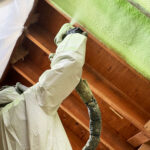
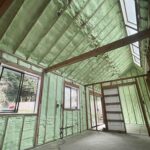
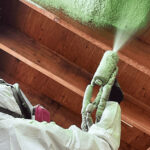
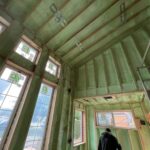
Spray foam insulation is often selected for areas where air sealing matters most. It expands to fill gaps, helping reduce drafts and moisture movement in crawl spaces, rim joists, foundations, and attics.
This makes it a strong option for homes with noticeable air leaks or condensation concerns.
Blown-In Fibreglass for Attics and Retrofits
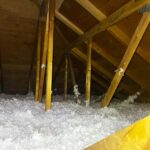
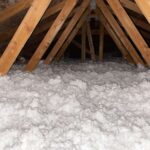
Blown-in fibreglass insulation is a common choice for attic upgrades and retrofit projects, particularly in older Victoria homes.
It’s installed as loose material that settles evenly across the attic floor, helping fill gaps and low spots that are easy to miss with other insulation types.
This even coverage helps reduce heat loss without the need to remove ceilings or walls, which makes it well-suited to homes where access is limited or renovations are not planned.
For houses that were built before current insulation standards, blown-in fibreglass can noticeably improve thermal performance.
It supports more consistent indoor temperatures and helps limit heat escaping through the roof, all while keeping disruption to a minimum.
Batt and Poly Insulation in Renovations and New Builds
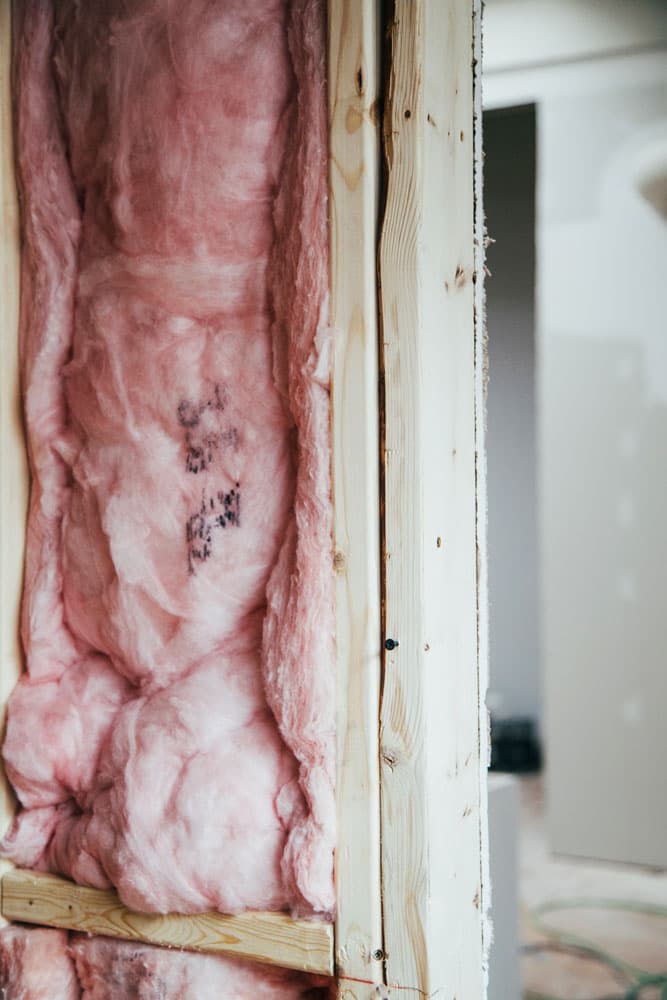
Batt and poly insulation continues to be used in many renovations and new builds, particularly where walls are being opened up as part of the project.
When installed correctly with properly sealed vapour barriers, it can help regulate indoor temperatures, reduce sound transfer between rooms, and add an extra layer of fire resistance.
In coastal climates like Victoria’s, installation quality is especially important. Gaps, compression, or poorly sealed vapour barriers can allow moisture to build up behind walls over time.
Because these areas are hidden once drywall is installed, problems can develop quietly. Careful installation helps limit moisture-related issues and supports long-term performance in damp coastal conditions.
Combining Insulation Types for Better Results
Many homes benefit from combining insulation types. Spray foam may be used in moisture-prone areas, while blown-in fibreglass boosts attic insulation levels.
The best approach depends on the home’s layout, age, and specific comfort or efficiency concerns.
Managing Condensation and Indoor Air Quality
Condensation control is a top consideration in Victoria.
Poor insulation allows warm indoor air to contact cold surfaces, leading to moisture buildup over time. Proper insulation helps reduce this risk while supporting healthier indoor air quality.
Rebates and Professional Assessments
Energy efficiency upgrades may also align with rebate programs available in British Columbia. Understanding which insulation improvements qualify often starts with a professional evaluation.
Choosing insulation for a coastal home involves more than picking a single product. Moisture levels, airflow, and existing construction all play a role in determining what will perform best over time.
We’re Here to Help
If you’d like guidance tailored to your home, HDS Sprayfoam and Insulation offers professional insulation assessments across Southern Vancouver Island.
As a Canadian-owned company with local experience, our team can help you understand which insulation options make sense for your space, whether that involves spray foam, blown-in fibreglass, batt and poly, or a combination approach.
A consultation can also help clarify potential rebate eligibility and identify areas where insulation upgrades can deliver the greatest comfort and moisture-control benefits.