
A sunny August afternoon can reveal weak spots in a home that seemed perfectly comfortable in spring. One bedroom becomes difficult to cool. A vaulted living room stays warm long after sunset. A heat pump runs, but the temperature still changes noticeably from one part of the house to another.
These issues are familiar across the Cowichan Valley, including Mill Bay, Shawnigan Lake, Cobble Hill, Duncan, and Chemainus. The homes are varied, too: older houses with several generations of insulation, rural properties with additions, newer construction with complex rooflines, and waterfront or hillside homes exposed to sun and wind.
Spray foam insulation can be a useful part of the solution because it slows heat transfer while also sealing many of the small gaps that allow outdoor air to enter and conditioned air to escape. The important question is not simply whether spray foam is “better.” It is where the building envelope is weakest and which insulation approach fits that part of the home.
Why Cowichan Valley Homes Can Feel Too Warm in Summer
Insulation works in both directions. In winter, it slows heat from leaving the house. In summer, it slows heat from moving through the roof, walls, and floors toward cooler indoor spaces.
Air leakage also matters. Gaps around framing transitions, service penetrations, attic hatches, rim joists, and additions can let hot outdoor air enter. At the same time, cooled indoor air can escape through other openings. A high insulation value on paper cannot fully compensate for an assembly with uncontrolled airflow.
Solar exposure adds another layer. Rooms below a sun-facing roof or beside west-facing walls often warm up late in the day. Once framing and interior finishes absorb that heat, the room may stay uncomfortable even after the outdoor temperature starts to fall.
Spray foam can address both heat flow and air leakage in one installed material. That combination is especially useful in irregular or hard-to-fit spaces, but the correct location and application still depend on how the home is built.
Where Spray Foam Can Make the Biggest Difference
A whole house does not always need the same insulation product everywhere. In many Cowichan Valley homes, the most effective plan starts with a few problem areas.
Rooflines and attic transitions
Attic insulation is an important part of summer comfort because the roof receives direct solar exposure. The best solution may involve air sealing at the attic floor, insulating a roofline, correcting thin or disturbed areas, or using more than one material.
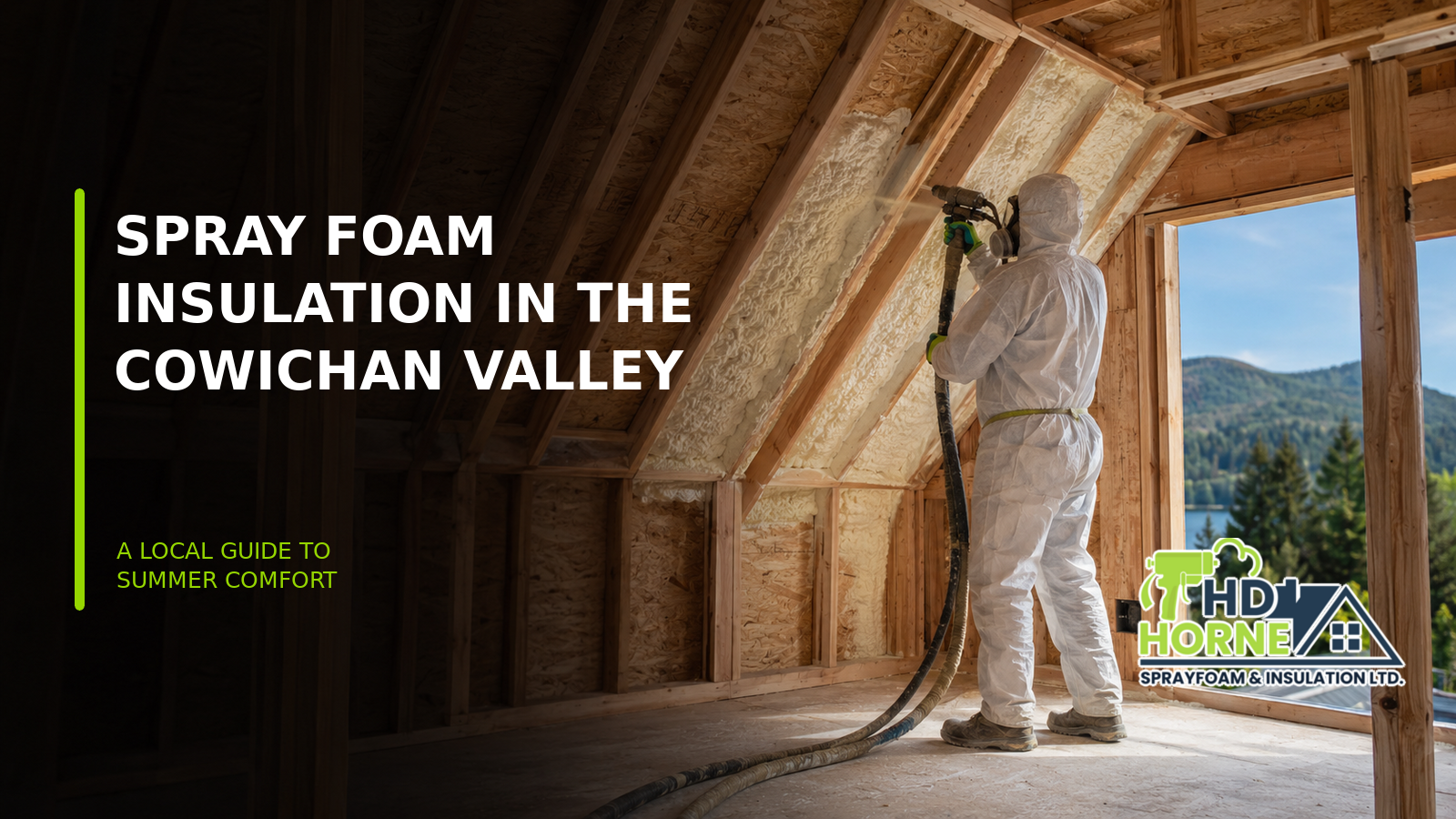
Spray foam is useful around irregular framing, attic hatches, plumbing and wiring penetrations, knee walls, and other transitions where conventional insulation can leave gaps. However, attic ventilation, moisture movement, recessed fixtures, and roof assembly details must be considered before any product is installed. An attic should be treated as a complete system, not simply filled wherever there is space.
Exterior walls opened during a renovation
Existing finished walls are not always easy to retrofit. When siding or drywall is already being removed, however, it creates an opportunity to improve the insulation and air-control layers before the wall is closed again.
Spray foam can conform to uneven cavities and seal around wiring, pipes, and framing. This may be helpful in older homes where cavity depths vary or where additions meet the original structure. Careful installation is essential so the finished assembly manages heat, air, and moisture as intended.
Rim joists and floor transitions
The rim joist is the band of framing around the perimeter of the floor system, usually just above the foundation. It contains many joints and material changes, which can make it a common air-leakage area.
Spray foam can fit closely around these irregular edges. Sealing this area may help reduce unwanted outdoor air entering below the living space and can support more even temperatures near exterior walls and floors. Before work begins, any active water entry or dampness needs to be identified and corrected rather than covered.
Vaulted ceilings and complicated roof shapes
Vaulted ceilings, dormers, bonus rooms, and low-slope roof sections leave little room for insulation errors. Small gaps or compressed batts can create noticeable hot spots because there may be limited depth between the interior ceiling and the roof.
Spray foam may be suited to some of these assemblies because it provides thermal resistance and air sealing within a confined space. The design still has to account for the roof, ventilation strategy, interior finishes, and applicable building requirements. This is an area where an on-site assessment matters more than a generic product recommendation.
Spray Foam, Batt, or Blown-In Insulation?
Spray foam is not the only useful insulation material. A strong plan assigns each product to the job it handles well.
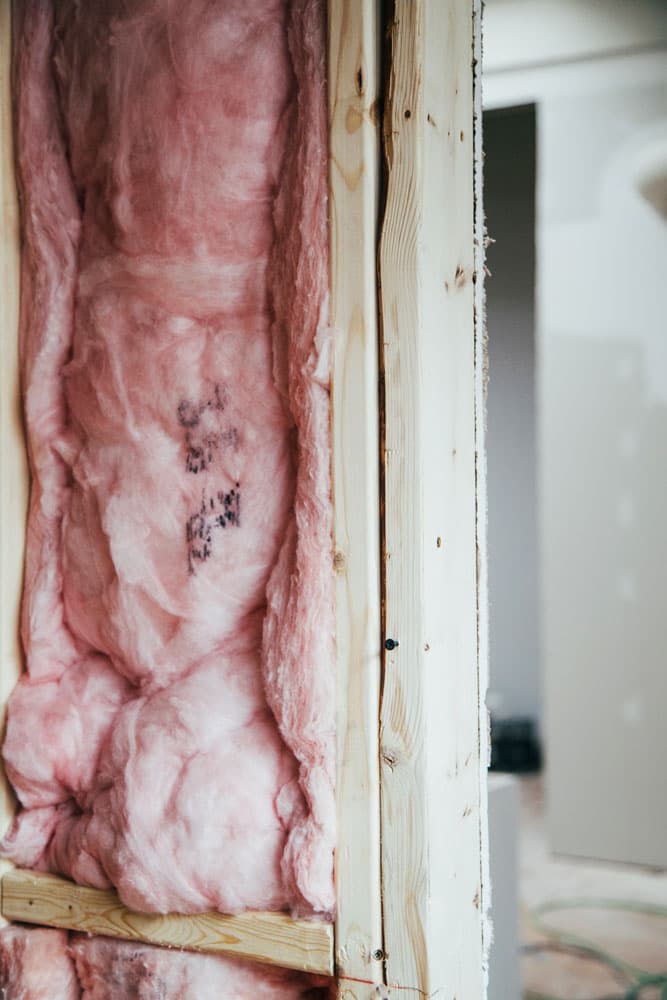
Batt insulation can be a practical choice in open, regular framing bays where it can be cut and fitted without gaps, compression, or obstructions. It is familiar, straightforward, and effective when installed carefully.
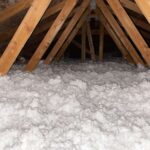
Blown-in insulation can work well for topping up broad, accessible attic areas after air leakage and moisture concerns have been addressed. It can create even coverage over a horizontal surface, although wind washing, eave details, and ventilation paths still need attention.
Spray foam stands out where air sealing is a priority, cavity shapes are irregular, or space is limited. Some projects use a combination: spray foam at the leaks and complicated transitions, then batt or blown-in insulation across simpler areas. The goal is a continuous, well-planned building envelope, not loyalty to one material.
Signs It Is Time for an Insulation Assessment
A summer comfort problem does not automatically mean the entire home needs new insulation. Look for patterns that help identify where the envelope may be underperforming:
- One room or floor is consistently warmer than the rest of the home.
- Indoor temperatures rise quickly when the sun reaches a particular roof or wall.
- The house cools slowly in the evening even when outdoor air is cooler.
- There are visible gaps, thin areas, or disturbed insulation in accessible spaces.
- An attic hatch, crawl-space access, or addition transition feels noticeably drafty.
- Cooling equipment runs for long periods without resolving room-to-room differences.
- Renovation work is about to expose walls, ceilings, or floors.
These signs can also have other causes, including window exposure, duct or heat-pump distribution, shading, and ventilation. That is why diagnosis should come before product selection.
What a Careful Insulation Plan Should Answer
Before choosing spray foam, a homeowner should understand:
- Where is the thermal boundary of the home?
- Where is unwanted air movement occurring?
- Is the existing insulation clean, dry, and performing as intended?
- Are there roof, plumbing, drainage, or ventilation issues to solve first?
- Which areas require spray foam, and where would batt or blown-in insulation be more practical?
- How will the proposed work affect drying potential and future access?
- What preparation and post-installation checks are part of the project?
Clear answers make it easier to compare recommendations and avoid spending money in an area that is not causing the problem.
Plan for August Comfort and the Seasons Ahead
Late summer is a useful time to observe a home’s hot spots because the patterns are easy to feel. Those same weak points can work against comfort again when heating season returns. Improving insulation and air sealing can help the home resist outdoor conditions more consistently throughout the year.
For a house in Mill Bay, Shawnigan Lake, Cobble Hill, Duncan, Chemainus, or another Cowichan Valley community, the right solution begins with the specific building, not a one-size-fits-all package.
HD Horne Sprayfoam & Insulation Ltd. works with Vancouver Island property owners to assess insulation needs and identify where spray foam or another insulation approach makes sense. Contact the team to discuss your home, its summer comfort issues, and the areas you are planning to upgrade.