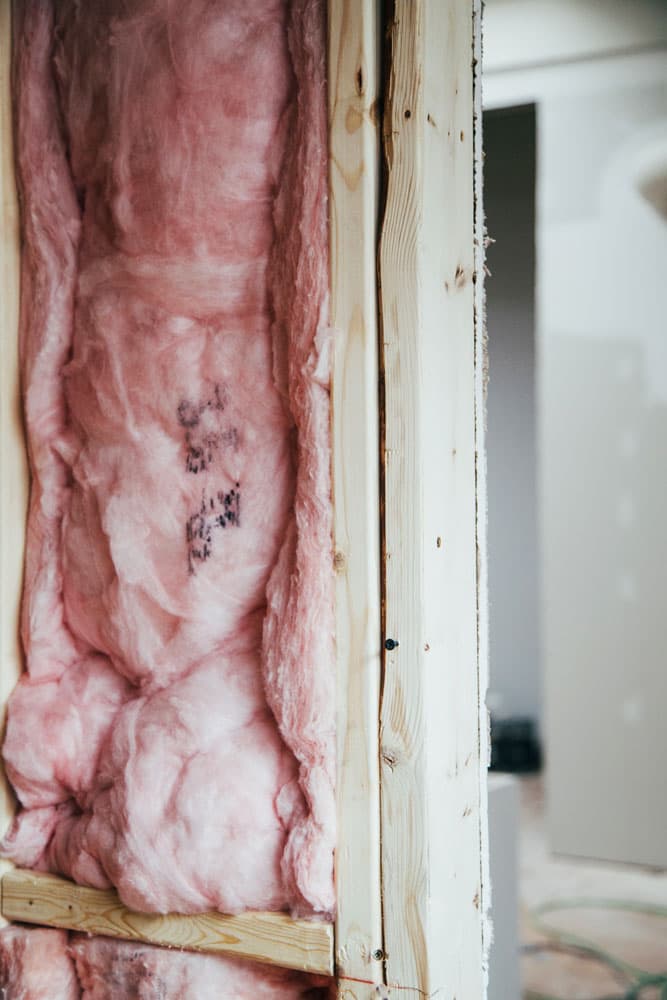


The first clue is often ordinary: a rusty roofing nail, a damp rafter, or a musty smell that appears only after heavy rain. Homeowners may say the insulation trapped moisture. Sometimes it did slow drying, but it did not manufacture the water.
Where the moisture comes from
Moisture usually arrives through a roof or plumbing leak, damp soil, wind-driven rain, or humid indoor air leaking into a cold cavity. Insulation changes temperatures inside the wall, roof or floor. If moist air reaches a surface below its dew point, condensation can form.
Insulation needs supporting layers
A durable assembly manages four jobs: shedding liquid water, controlling airflow, limiting vapour movement and allowing drying. Those jobs may be handled by different materials. The insulation provides thermal resistance; it is not automatically the drainage plane, air barrier or vapour barrier.
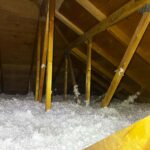
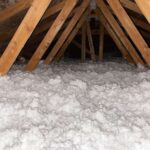
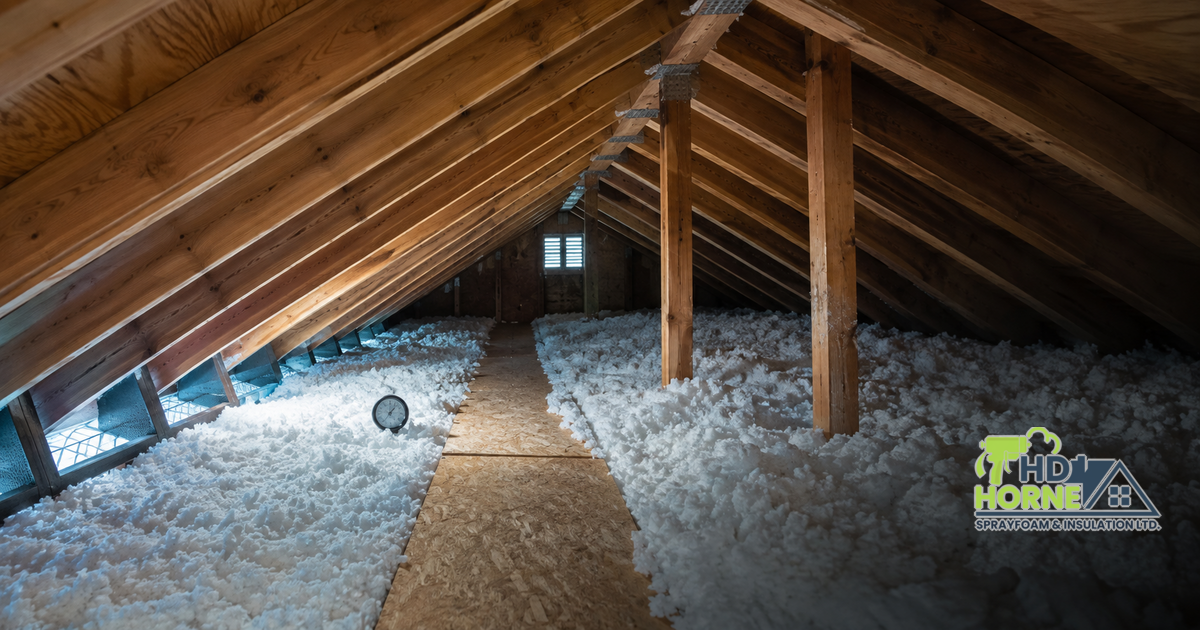
In a vented attic, for example, the ceiling plane should be air sealed before insulation is added, while soffit and roof ventilation paths remain open. Natural Resources Canada warns that covering wet insulation is not a fix: the moisture source must be removed and the material allowed to dry.
What about spray foam?
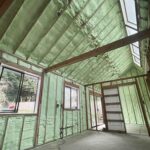
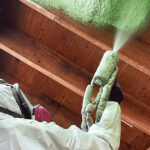
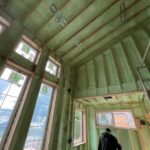
Closed-cell spray foam can combine insulation, air control and, at suitable thicknesses, vapour control. That is useful, but it also means placement matters. Applying a low-permeance layer to the wrong side of an assembly, spraying damp sheathing, or trapping wood between two vapour-resistant layers can reduce its ability to dry.
The practical rule
Do not choose insulation by itself. Choose the complete assembly. Before work begins, identify leaks, measure moisture where appropriate, confirm how the structure will drain and dry, and protect required attic ventilation. In crawl spaces, address groundwater, drainage and ground moisture as part of the plan.
HD Horne Sprayfoam & Insulation Ltd. helps South Vancouver Island homeowners evaluate existing insulation and plan upgrades that account for air leakage and moisture. A short inspection before installation is far less expensive than opening a finished wall later.