

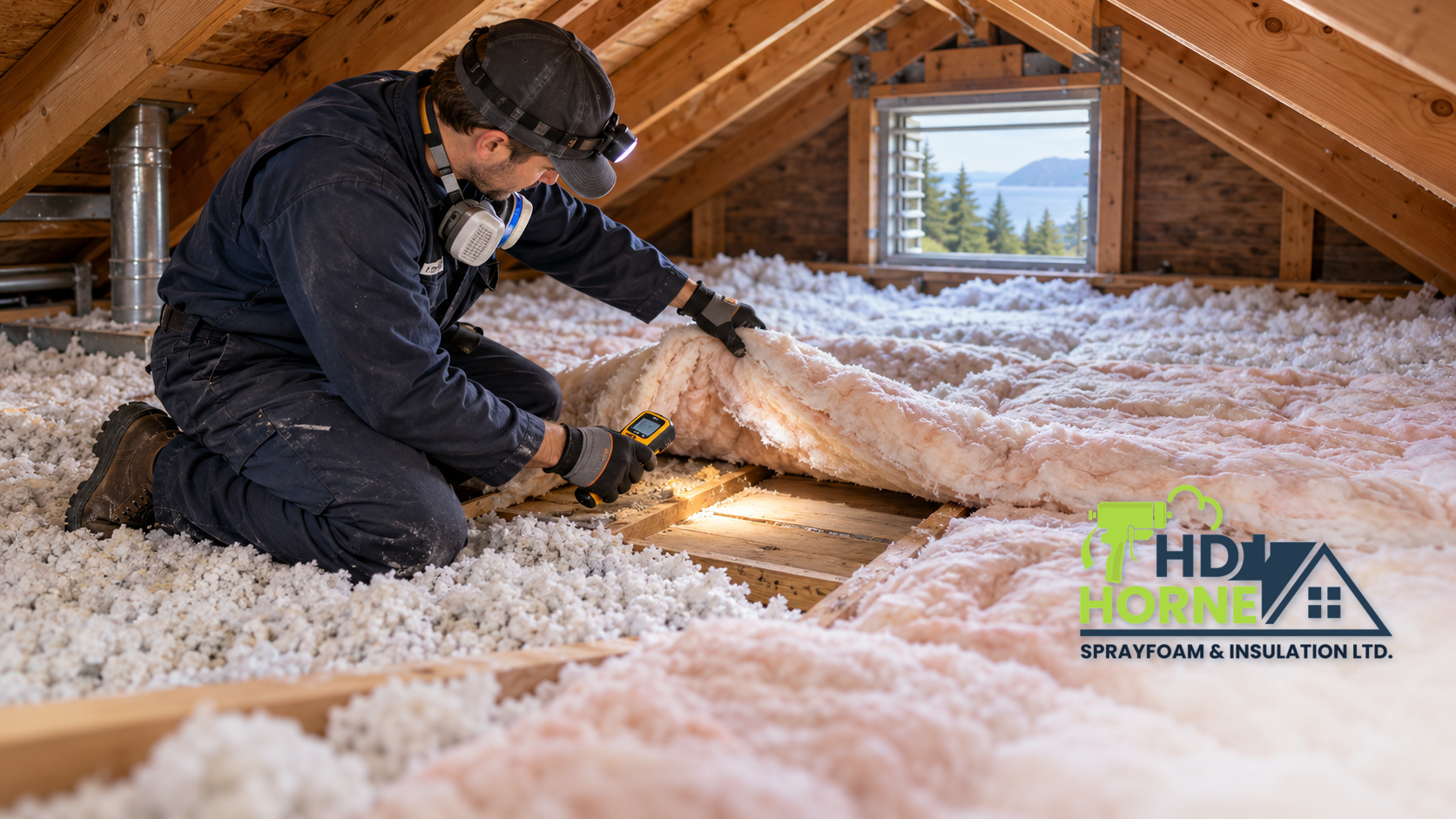
Homeowners often ask whether spray foam can simply be added over old insulation. The appeal is obvious: leaving the existing material in place sounds faster, cleaner and less expensive than removing it first.
The honest answer is that it depends on where the insulation is located, what condition it is in and where the new air, thermal and vapour-control layers are meant to be. In some assemblies, existing insulation can remain as part of a planned hybrid system. In others, it blocks access, hides moisture or prevents the spray foam from bonding to the surface it is supposed to seal.
The decision should be based on an inspection, not a blanket rule. Spray foam should solve a clearly defined building-envelope problem. It should never be used to bury evidence of a leak, pest activity, mould, damaged wood or an assembly that has not been properly designed.
Why Direct Access to the Surface Matters
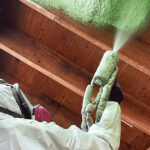
Spray foam is applied as a liquid and expands against the substrate. The installer needs clear access to the wood, concrete, sheathing or other approved surface so the foam can adhere and form a continuous layer. Loose fibres, dust, peeling coatings and unsupported insulation can interfere with that bond.
Visibility matters too. Once foam covers an area, it becomes harder to inspect the surface beneath it. The contractor should be able to see whether framing is sound, whether the substrate is dry and whether gaps, penetrations or repairs need attention before application.
When Existing Insulation Usually Needs to Come Out
Removal is commonly recommended when the existing material is:
- Wet, damp, stained or associated with a musty odour.
- Contaminated by pests, droppings, nesting material, smoke or construction debris.
- Compressed, sagging, displaced or no longer filling the intended cavity.
- Blocking access to the surface where spray foam needs to adhere.
- Hiding plumbing leaks, roof leaks, damaged sheathing or deteriorated framing.
- Part of an assembly that will change location, such as moving insulation from the attic floor to the roofline.
Old insulation does not always need removal simply because of its age. Condition and compatibility matter more than the calendar. Dry, intact material may still have useful thermal value, but only if it fits the new design and does not interfere with air sealing, inspection or required clearances.
When Existing Insulation May Be Able to Stay
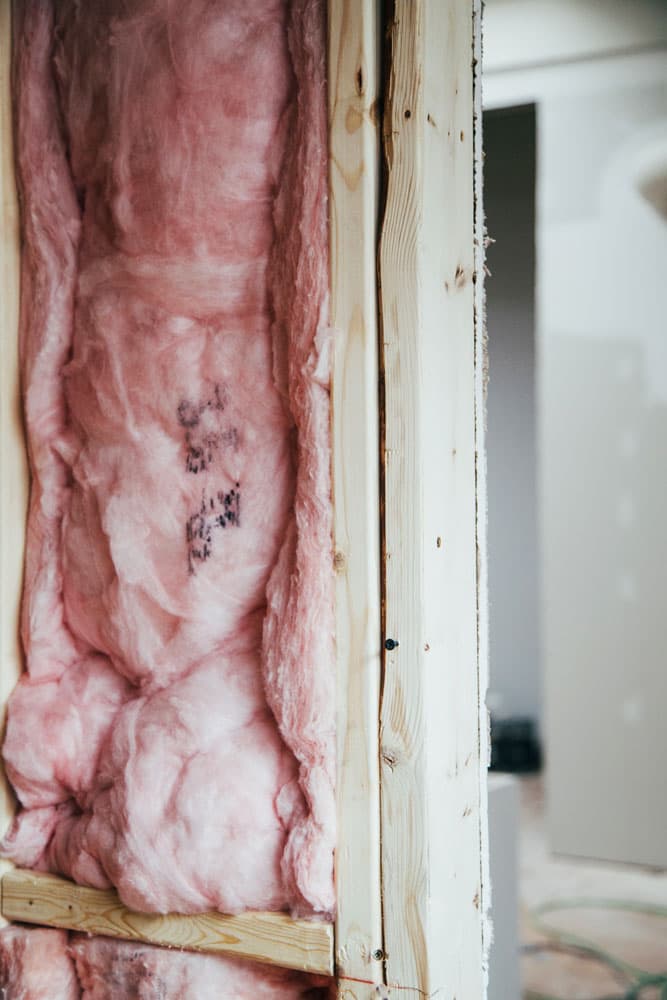
A hybrid approach can be appropriate when the materials occupy different, intentional layers. For example, cured spray foam may provide air sealing in selected areas while batt insulation fills the remaining depth of an open wall assembly. In a conventional attic, targeted air sealing may be completed at penetrations before suitable blown-in insulation is added across the attic floor.
In these examples, the materials are not casually piled together. Each layer has a defined role, the surfaces are accessible when needed, and the overall assembly is evaluated for heat flow, moisture movement, ventilation and code requirements.
The central question is not, “Can these two products touch?” It is, “Will the complete assembly stay continuous, dry, inspectable where required and appropriate for this part of the house?”
Area-by-Area Considerations
Attics
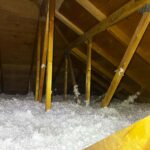
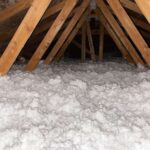
An open attic may already contain batt or blown-in insulation on the ceiling plane. If the plan is to keep the attic vented and improve insulation at that same level, the work may involve removing material only where access is needed for air sealing or repairs, then restoring or adding insulation as appropriate.
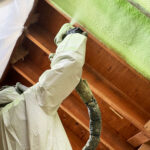
A proposal to spray the underside of the roof deck is a different strategy because it can move the thermal and air boundary from the ceiling to the roofline. Leaving a second layer at the attic floor without understanding the entire assembly can create an unintended space between the two boundaries. Roof condition, ventilation, moisture control and mechanical equipment in the attic must all be considered before making that change.
Open walls and ceilings
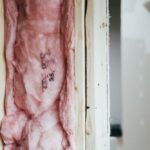
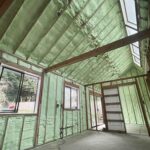
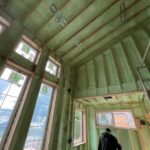
When framing cavities are exposed during a renovation, old batts are often removed so the substrate can be inspected and spray foam can reach the sheathing and framing edges. This is also the time to repair leaks, update services and identify penetrations that need sealing. If a hybrid wall is specified, new batt insulation may be installed after the spray foam has cured and the assembly has been checked.
Rim joists, basements and crawl spaces
These areas often contain irregular pieces of batt insulation that were fitted between joists. Removal may be needed to expose the rim board, sill plate and penetrations where air leakage occurs. Water entry, ground moisture, drainage and damaged wood must be addressed before new insulation is installed. Spray foam is not a substitute for fixing the source of moisture.
Questions an Inspection Should Answer
Before deciding what stays and what goes, an insulation assessment should clarify:
- What problem are you trying to solve: drafts, heat loss, overheating, condensation or damaged insulation?
- Where is the existing thermal and air-control boundary?
- Is the old insulation dry, clean and securely supported?
- Is the underlying surface visible and suitable for spray foam?
- Are there active leaks, pest issues or material damage that require another trade?
- Will the new work affect attic ventilation, combustion appliances, exhaust systems or required access?
- What protective covering or finishing work will be required after installation?
Good answers turn the project from a product decision into an assembly plan. That distinction is important in older Vancouver Island homes, where several renovations may have left multiple generations of insulation in the same attic, wall or crawl space.
A Few Common Misunderstandings
“Spray foam will seal in a leak.”
Insulation should not be used as a water-repair material. Roof, plumbing, drainage and foundation leaks need to be fixed and the affected area allowed to dry before insulation is installed.
“More layers always mean better performance.”
Added insulation can improve thermal resistance, but only when materials are installed correctly and the assembly can manage air and moisture. Gaps, compression and poorly placed vapour-resistant layers can create problems even when the total amount of insulation looks impressive.
“Everything old must be removed.”
Complete removal is sometimes necessary, especially when material is damaged or the insulation boundary is changing. In other cases, selective removal provides enough access for repairs and air sealing while sound insulation remains in place. The scope should follow the condition of the home.
Choose the Scope After the Inspection
The lowest-disruption option is not always to leave everything untouched, and the most thorough option is not always to empty every cavity. The right scope removes what is damaged or obstructive, preserves what still works and gives the new spray foam a clean, suitable surface where it is intended to perform.
HD Horne Sprayfoam & Insulation Ltd. offers insulation assessment, removal, spray foam, batt and blown-in insulation services on Vancouver Island. If you are planning an upgrade in Victoria, Saanich, Langford, Mill Bay, Duncan, Chemainus, Ladysmith or nearby communities, contact the team to review the existing insulation and build a practical plan before new material is installed.