


Your garage working might be working against the rest of your home. Many Vancouver Island homeowners think of the garage as a separate space. It stores tools, vehicles, sports gear, and seasonal items. Yet when a garage lacks proper insulation, it can influence comfort and energy use throughout the house.
Garages often share walls or ceilings with living areas. When temperatures drop, cold air in the garage transfers through those shared surfaces. That can leave adjacent rooms feeling chilly and uneven.
Why Garage Insulation Matters on Vancouver Island
Vancouver Island’s cool, damp climate creates steady temperature swings through fall, winter, and early spring. Uninsulated garages tend to trap cold air and moisture. Over time, that can affect stored belongings and nearby interior spaces.
If you use your garage as a workshop, home gym, or hobby space, temperature control becomes even more important. A cold, damp garage limits how often the space feels usable.
Insulation helps regulate internal temperatures and reduces the transfer of cold air into connected rooms. This creates a more stable environment across the entire home.
Protecting Storage and Belongings
Garages often house items sensitive to moisture and temperature shifts. Paint, tools, seasonal décor, and even cardboard boxes can degrade in damp conditions.
Insulation helps moderate those extremes. When paired with proper air sealing, it reduces the flow of moist air into wall cavities and overhead spaces. That contributes to a drier environment and protects stored belongings from avoidable damage.
Homeowners frequently underestimate how much humidity moves through small gaps around framing and garage doors. Addressing insulation during upgrades helps control that hidden airflow.
Energy Benefits Beyond the Garage
An attached garage acts as a buffer zone between outdoor air and interior living space. When insulation levels are low, heat escapes more easily through shared walls and ceilings.
Improved insulation slows that transfer. Heating systems do not need to compensate as heavily for heat loss through garage-adjacent rooms. Over time, this can support more predictable indoor temperatures and improved energy performance.
Even if you do not heat your garage directly, insulating it can still benefit the rest of the house.
What Are Your Options?
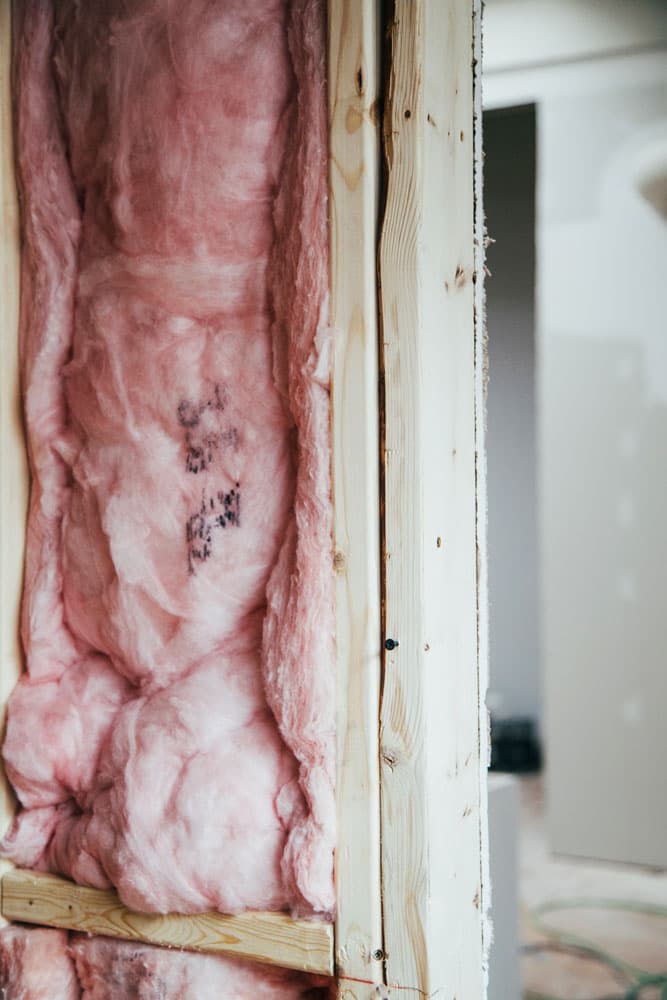
Spray foam insulation works well in garage walls, ceilings, and rim joists because it expands to seal cracks and small openings. That dual function of insulating and air sealing helps limit unwanted airflow.
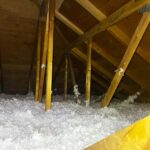
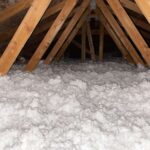
In some cases, blown-in insulation may suit attic spaces above garages. A professional assessment determines the right approach based on construction type and existing insulation levels.
Is It Time to Upgrade?
If rooms beside or above your garage feel colder than the rest of your home, insulation may be part of the issue.
An evaluation can identify gaps, aging materials, or insufficient coverage.
Contact HD Horne Sprayfoam & Insulation Ltd. to discuss garage insulation options and learn how an upgrade can support better comfort, improved storage conditions, and steadier indoor temperatures across your Vancouver Island home.