

Good indoor air quality often goes unnoticed until it becomes a problem. When a home starts to feel damp, stuffy, or musty, most homeowners look to their HVAC system or cleaning routine for answers. What many don’t realize is that the source of the issue may be much deeper…such as in the walls, attic, or crawl space insulation.
Vancouver Island’s climate brings plenty of rain, humidity, and fluctuating temperatures. These conditions make our homes especially vulnerable to moisture buildup and airborne contaminants. The right insulation, however, can stop these problems before they begin.
The Hidden Role of Insulation in Air Quality
Insulation does far more than trap heat inside your home. It acts as a barrier that separates your indoor environment from the outdoor elements. When insulation is damaged, thin, or missing in key areas, air moves freely between the two spaces.
That constant movement pulls in dust, pollen, and damp air from outside while letting conditioned air escape.
Over time, this uncontrolled airflow leads to condensation, mould growth, and unstable humidity levels. These conditions cause unpleasant smells, allergy symptoms, and respiratory irritation for the people living inside.
How Moisture Impacts Indoor Air
On Vancouver Island, moisture is the main enemy of good air quality. Water vapour seeps into basements, crawl spaces, and attics where it condenses on cool surfaces. If those areas lack proper insulation or sealing, the dampness spreads through the structure.
The result? Mould spores can circulate throughout the home every time the air system runs.
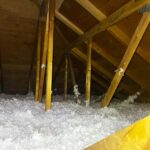
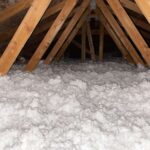
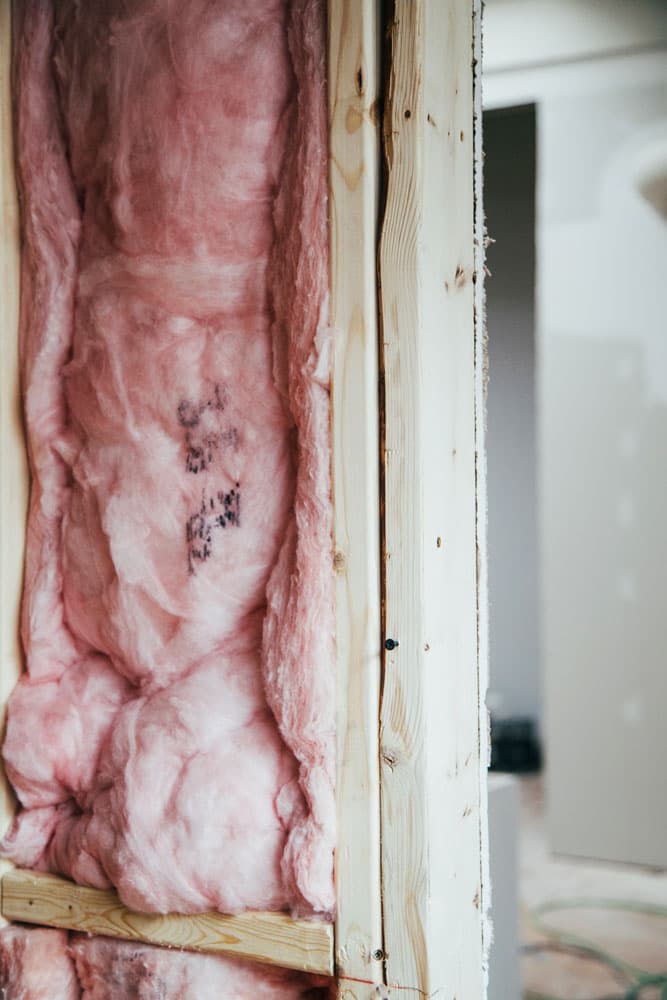
Traditional insulation materials, such as fibreglass or cellulose, are more likely to absorb that moisture, creating a perfect environment for mould and mildew. Once these spores take hold, they can affect air quality long after the original problem is fixed.
Vancouver Island Spray Foam: A Preventive Solution
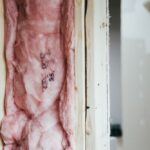
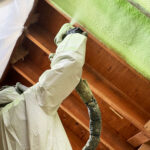
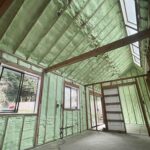
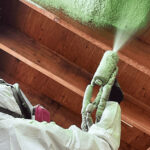
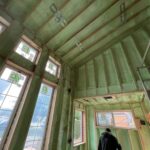
Spray foam insulation provides a strong line of defence against poor air quality. Its ability to expand and fill even the smallest gaps means that air and moisture have no easy path into the home.
Unlike batt or blown-in insulation, spray foam forms a solid, continuous layer that resists both air and water infiltration.
Closed-cell spray foam, in particular, is well-suited to Vancouver Island’s damp coastal conditions. It adds structural strength to walls and floors while keeping humidity levels stable.
Because it does not absorb water, it also prevents the musty smells and decay that can accompany wet insulation.
Long-Term Benefits of Spray Foam for Homeowners
Once insulation upgrades are complete, homeowners often notice an immediate difference in air quality. The air feels fresher, humidity levels remain balanced, and allergy symptoms may decrease.
Cleaner air also supports the efficiency of your heating and cooling system, since the air filters no longer have to combat excessive dust and moisture.
Proper insulation maintains a more consistent temperature, which further prevents condensation on windows and walls. This means fewer chances for mould to grow and a healthier indoor environment overall.
Why Prevention Matters
Dealing with air quality problems after they arise can be costly. Cleaning, remediation, and replacing damaged materials take time and money. Investing in proper insulation early on is a proactive way to protect both your health and your home.
For Vancouver Island homeowners, prevention means peace of mind.
Insulating crawl spaces, attics, and foundation walls with spray foam creates a controlled environment that limits moisture, improves comfort, and supports cleaner air year-round.
Protect Your Home and Breathe Easier
If your home has started to feel damp or you have noticed recurring odours, insulation could be the missing piece of the puzzle. A professional insulation upgrade with closed-cell spray foam can make your home healthier, safer, and more energy efficient.
Every breath should feel fresh, not heavy or humid. Investing in better insulation today ensures cleaner air for years to come.
Ready to talk about upgrading your insulation and your indoor air quality? We’re here to help! Call us today!