

Many older homes on Vancouver Island were built when asbestos insulation was still in widespread use. Although asbestos is no longer used, it can still be present in homes built decades ago and may remain hidden for years.
Where Asbestos Insulation Is Commonly Found
Asbestos insulation can appear in several forms depending on how and where it was used.
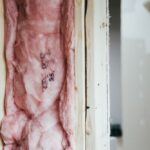
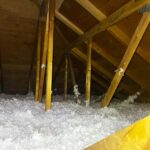
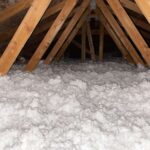
You might find asbestos around pipes, in attics, crawl spaces, wall cavities, or installed as loose-fill material. In some homes, asbestos insulation was applied as a wrapping or coating around heating systems to control heat and reduce fire risk.
Some asbestos insulation resembles paper, cardboard, or textured coatings. That can make it tricky to identify without professional testing.
Why Asbestos Insulation Is a Concern
Asbestos becomes hazardous when fibres are released into the air and then inhaled.
These fibres are tiny and can remain airborne for long periods, both of which make it easy to breathe them in without noticing.
Once inhaled, asbestos fibres can lodge in the lungs and lead to serious health concerns over time. That’s why disturbing suspected asbestos materials should always be avoided without proper testing and professional handling.
Renovations Increase Risk of Asbestos Exposure
Drilling, cutting, or removing materials during renovations can disturb asbestos insulation and release fibres.
Testing is the only reliable way to confirm or deny its presence.
Signs That Warrant Further Investigation
Exercise caution if insulation materials appear damaged or unfamiliar. Crumbling, fraying, or deteriorating insulation can indicate age-related wear or the presence of older materials that require further evaluation.
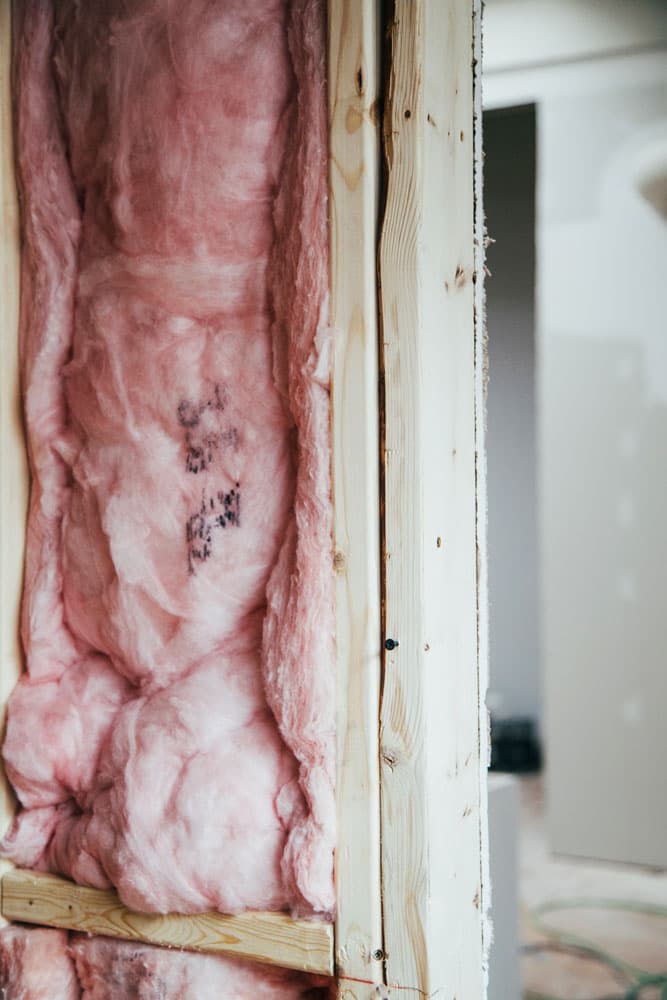
When insulation does not look like modern products or has an unusual texture or colour, it is wise to pause any work and seek professional assessment before disturbing the area.
When to Consider Testing for Asbestos
Crumbling insulation, deteriorating pipe wrap, or insulation in homes built before modern standards should be evaluated by professionals before any work begins.
Replacing Asbestos With Modern Insulation
Once qualified professionals safely remove asbestos, homeowners often upgrade insulation to improve comfort and safety.
Removal creates an opportunity to replace outdated or underperforming insulation with modern materials.
Many homeowners choose this time to install insulation that offers better air sealing, moisture control, and long-term performance throughout the home.
Why Spray Foam Is a Popular Upgrade
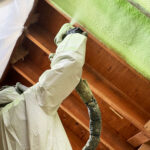
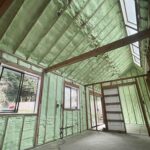
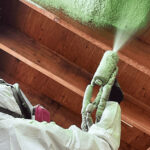
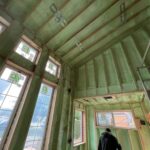
Spray foam insulation provides air sealing, moisture resistance, and improved comfort. It also meets modern efficiency standards and works well in older homes once hazardous materials are removed.
If you have concerns about insulation in an older home or are planning updates, HDS Sprayfoam & Insulation can help you understand your options and next steps. Contact us now for help.