


Vancouver Island winters are long on rain and short on mercy. By the time March rolls around, most homeowners have spent months dealing with grey skies, saturated soil, and the kind of persistent dampness that works its way into every corner of a home, including the spaces you rarely think about.
Your crawl space takes the brunt of it all.
Tucked beneath your floors and largely out of sight, it sits in direct contact with the ground, surrounded by the same moisture-laden air that has been cycling through your property all season.
Without regular assessment, the damage that builds up down there can go unnoticed until it becomes a much bigger problem.
Why Spring Is the Right Time to Take a Look at Your Crawl Space
The transition out of winter is the ideal window for a crawl space check. The wettest months are wrapping up, and any moisture intrusion, condensation, or ventilation issues that developed over the winter will be most visible.
Waiting until summer to assess the space means giving mould, wood rot, and pest activity a head start. Catching problems now, before temperatures climb and conditions dry out, puts you in a much stronger position.
Signs of Moisture Intrusion
The most common thing homeowners find after a wet winter is evidence of moisture getting in where it shouldn’t.
This can show up in a few different ways.
Standing water or damp soil is the most obvious indicator, but it isn’t always present even when moisture is a problem.
More often, you’ll notice condensation on pipes, a musty smell when you open the access hatch, or white mineral deposits on your foundation walls.
Those white deposits, called efflorescence, form when water moves through concrete and leaves mineral salts behind.
Discolouration on wood framing, soft spots in floor joists, or visible mould growth are all signs that moisture has been present long enough to start doing structural damage.
What’s Happening With Your Vapour Barrier
If your crawl space has a vapour barrier in place, check its condition carefully.
On Vancouver Island, where groundwater levels fluctuate significantly through the rainy season, barriers can shift, tear, or develop gaps at the seams that allow moisture to pass through.
A compromised barrier doesn’t just affect the crawl space itself. Moisture that escapes into the air beneath your floors eventually rises through your subfloor and into your living spaces, contributing to higher humidity levels, condensation on windows, and reduced indoor air quality throughout the home.
Insulation Condition and Thermal Performance
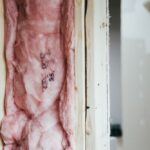
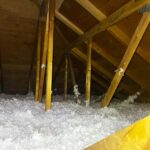
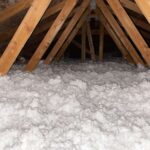
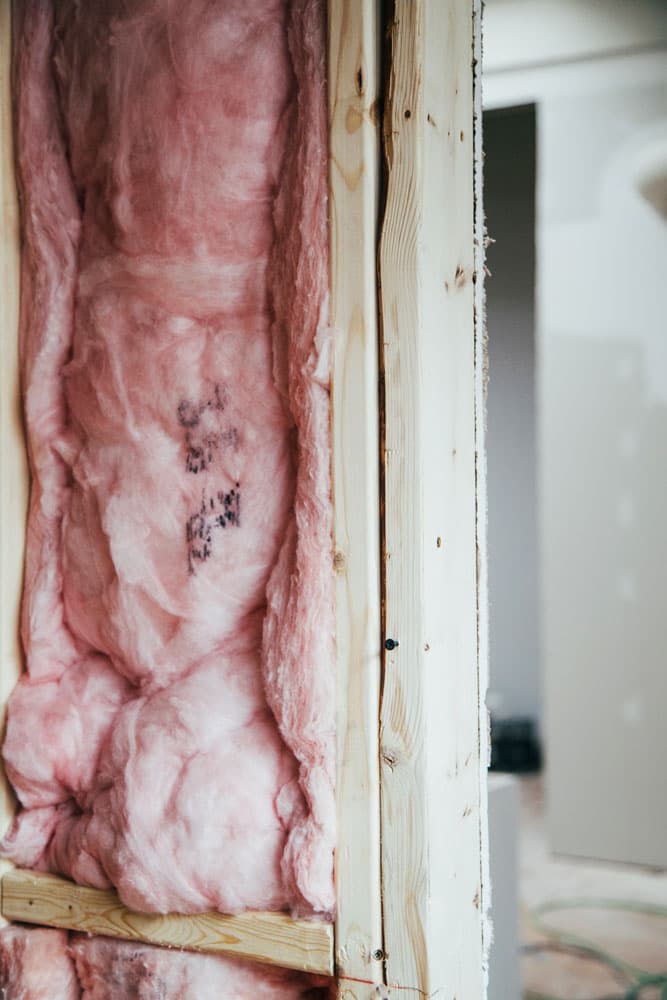
While you’re down there, it’s worth checking on the insulation itself. Batt insulation in crawl spaces is particularly vulnerable to moisture absorption, and once it becomes saturated, it loses almost all of its thermal value.
Wet or sagging insulation that has pulled away from the subfloor is no longer doing its job. In a coastal climate where temperatures rarely dip to extremes, homeowners sometimes assume that degraded insulation isn’t a pressing concern.
But even modest heat loss through an uninsulated or poorly insulated crawl space adds up over the course of the heating season.
Get Started on Your Post-Winter Crawl Space Assessment on Vancouver Island
If your last crawl space inspection was more than a year ago, or if you’ve never had one done at all, this spring is the right time to take stock.
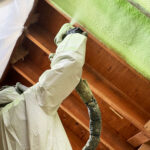
Give the team at HD Horne Sprayfoam and Insulation a call so we can help!