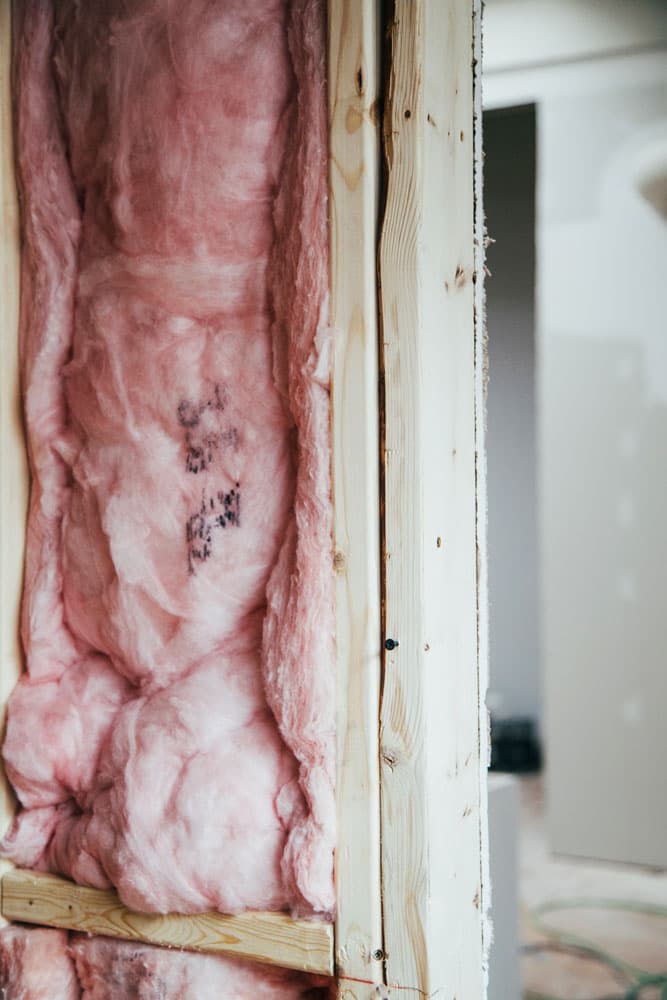


Crawl spaces are often out of sight, but the insulation beneath your home plays a starring role in comfort, energy use, and air quality. When crawl space insulation begins to fail, the effects can spread throughout the entire home.
Vancouver Island Crawl Space Insulation
Here’s what you need to know about crawl space insulation on Vancouver Island and what happens when it starts to fail.
Temperature Control Becomes Less Consistent
One of the first signs of failing crawl space insulation is uneven indoor temperatures.
Cold Floors and Rising Energy Use
Cold floors in winter and warmer rooms in summer often point to insulation issues below the home. Heating and cooling systems may run longer to compensate, increasing energy use over time.
Moisture Problems Can Develop
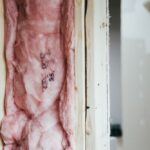
Damaged or aging insulation can allow moisture to build up in the crawl space. When insulation no longer forms a proper barrier, humid air can enter and condense on cooler surfaces below the home.
Over time, this moisture can contribute to wood deterioration, musty odours, and conditions that encourage mold growth.
Mold, Mildew, and Wood Concerns
Moist environments encourage mold and mildew growth, which can affect both structural materials and indoor air quality. Moisture in a crawl space often travels upward into living areas.
Pests Take Advantage of Failing Insulation
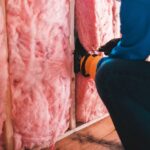
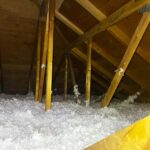
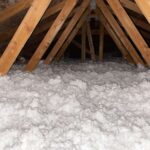
When insulation sags, compresses, or deteriorates, gaps form.
These gaps can invite pests into the crawl space, leading to further insulation damage and added concerns for homeowners.
Indoor Air Quality May Decline
As insulation breaks down, air movement increases between the crawl space and the home. This allows air from below the house to travel upward into living areas, carrying particles that would normally be blocked.
Eventually, this affects how fresh and comfortable the indoor air feels, especially in homes with older or poorly sealed insulation systems.
Allergens and Odours
Dust, allergens, and musty smells may become more noticeable, especially in homes with poor air sealing. Crawl spaces can collect pollen, mold spores, and other airborne irritants that easily move indoors when insulation fails.
Persistent odours are often one of the first signs that crawl space air is entering the home and should not be ignored.
Why Spray Foam Is Often a Better Solution
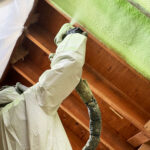
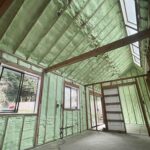
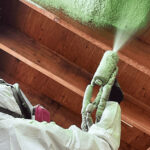
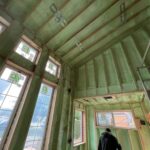
Spray foam insulation offers advantages when replacing failing crawl space insulation because it addresses several issues at once.
Unlike traditional materials that can sag, shift, or absorb moisture over time, spray foam expands to seal gaps and creates a continuous barrier along crawl space surfaces.
This helps limit air movement, reduce moisture intrusion, and support more consistent indoor temperatures.
Spray foam also holds its shape long term, which means it continues performing without the gradual breakdown seen in many older insulation types.
Air Sealing and Moisture Resistance
Unlike traditional materials, spray foam seals gaps, resists moisture, and maintains its shape over time. It also helps discourage pests by closing off entry points.
If your crawl space insulation shows signs of failure, HDS Sprayfoam & Insulation can help assess the space and discuss spray foam solutions suited to your home. Call now to discuss your next steps!