

Uneven Room Temperatures: Insulation or HVAC Problem?
Does one room in your house always feel colder than the others?
Many homeowners assume the heating system is to blame. While HVAC systems can contribute to uneven temperatures, insulation often plays a larger role than expected.
Understanding the difference helps you address the root cause instead of treating the symptom.
When Insulation Is the Likely Cause
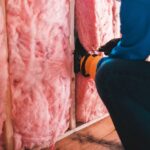
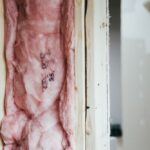
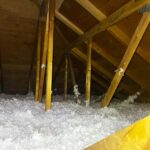
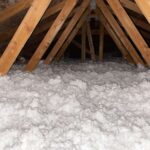
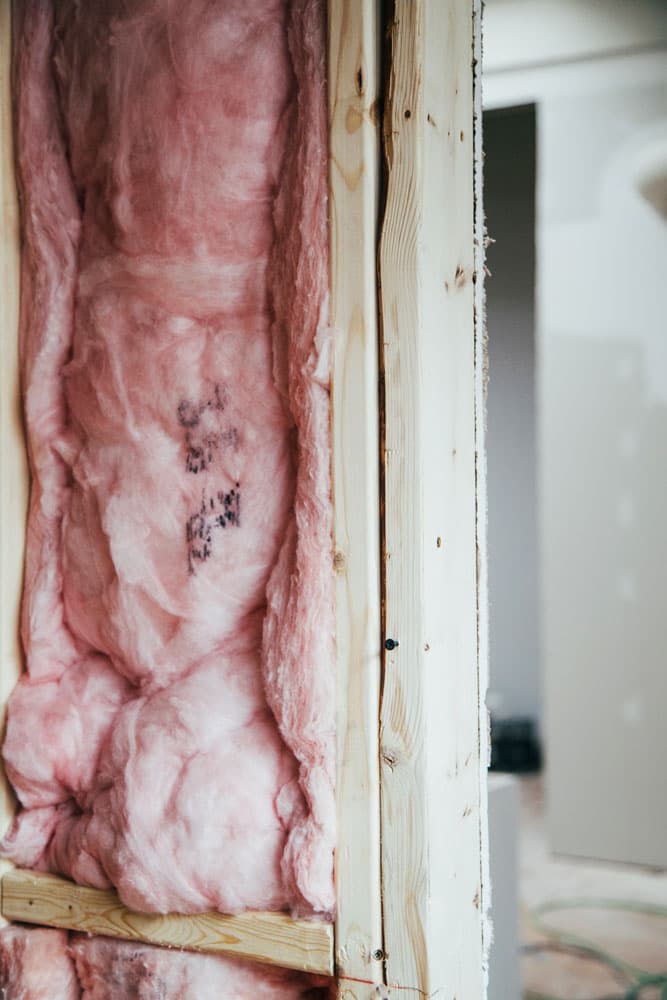
Heat moves through weak points in a home’s envelope. Walls with insufficient insulation, attic gaps, and rim joists with air leakage allow warm air to escape and cool air to enter.
Rooms located above garages or at the ends of the house often show the first signs of imbalance. These areas tend to have more exterior exposure and greater heat loss.
If certain walls feel noticeably colder to the touch, insulation may lack coverage or proper air sealing. Moisture movement can also contribute, especially in Vancouver Island’s damp climate.
When HVAC May Be Involved
Heating systems distribute warm air through ductwork that runs behind walls, above ceilings, and beneath floors. If ducts are blocked, loosely connected, leaking at the seams, or improperly sized for the layout of the home, airflow may not reach certain rooms evenly.
Even small leaks along duct joints can allow warm air to escape before it ever reaches the intended space.
Closed or obstructed vents can also reduce heat delivery. Furniture placed over floor registers, dust buildup inside vents, or partially closed dampers all restrict airflow. In some homes, thermostat placement influences how long the system runs.
If the thermostat sits near a naturally warmer area of the house, it may signal the system to shut off before distant or exterior-facing rooms have reached the same temperature.
Zoning issues can add another layer. Larger homes or homes with additions sometimes rely on a single system that was originally designed for a smaller footprint. That mismatch can result in inconsistent distribution, even when equipment functions properly.
However, even a well-maintained HVAC system cannot compensate fully for significant insulation gaps.
When warm air escapes through poorly insulated walls, ceilings, or attic spaces, the heating system works harder yet struggles to keep certain rooms comfortable.
Addressing insulation concerns often stabilizes temperature differences and allows the HVAC system to perform as intended.
Why Insulation Often Comes First
When insulation underperforms, heat escapes faster than the system can replace it. The heating unit cycles more frequently, yet certain rooms remain cool.
Addressing insulation can stabilize the building envelope. Once air leakage and heat loss decrease, HVAC systems tend to perform more consistently across the home.
Improved insulation often results in steadier temperatures from room to room without increasing system output.
How to Identify the Source
Look for patterns:
- Does the cooler room sit above an uninsulated garage?
- Is it located under the attic?
- Does it face prevailing winds or heavy rainfall exposure?
A professional insulation assessment can pinpoint weak areas within walls or ceilings. HVAC technicians can inspect ductwork and airflow if insulation appears sufficient.
Taking Action
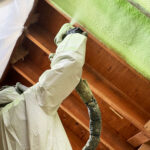
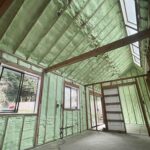
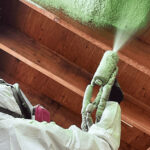
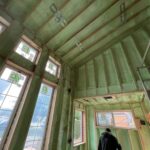
Start with a building envelope evaluation. Insulation upgrades may resolve the imbalance without major mechanical adjustments.
Contact HD Horne Sprayfoam & Insulation Ltd. for an inspection and learn whether insulation improvements can restore consistent comfort throughout your Vancouver Island home.