


Not all insulation strategies work equally well across Canada. Climate varies widely from coastal British Columbia to prairie provinces and northern regions. Choosing insulation without considering local conditions can lead to performance gaps over time.
Climate-specific insulation takes temperature patterns, humidity levels, and seasonal changes into account.
Temperature Range Matters
In colder provinces, insulation must handle extended periods of freezing temperatures. High R-value materials often receive priority in those regions.
On Vancouver Island, winters are milder but moisture levels remain high. Insulation still needs strong thermal resistance, yet moisture control becomes equally important.
A material that performs well in a dry prairie climate may not respond the same way in a damp coastal environment.
Moisture and Air Movement
Moisture travels with air. In humid or coastal areas, limiting airflow through walls and attics helps reduce condensation risks.
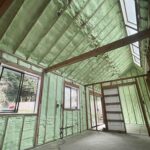
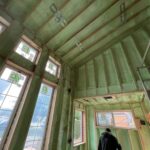
Spray foam insulation can provide both insulation and air sealing. That dual role makes it suitable for climates where moisture management requires attention.
In drier regions, air sealing remains important, but moisture intrusion may present fewer long-term concerns.
Building Codes, Insulation, and Regional Standards
Canadian building codes set minimum insulation requirements based on climate zones.
Selecting insulation that aligns with local standards helps support long-term performance and comfort.
Building codes are not arbitrary. They reflect years of data about temperature swings, moisture patterns, and seasonal demands within a specific region.
When insulation meets or exceeds those requirements, it’s better positioned to handle local weather conditions without premature wear or performance loss.
Materials that perform well in one province may behave differently in another.
A product suited for a dry, extremely cold environment may not address moisture movement in a damp coastal climate. Installation details also shift based on climate zone, including vapour control strategies and air sealing priorities.
Homeowners who relocate between provinces sometimes expect similar insulation setups to work everywhere. That assumption can lead to missed gaps in performance.
What worked in Alberta or Saskatchewan may not provide the same results on Vancouver Island, where humidity levels remain higher year-round.
Climate differences often demand adjustments in material choice and installation methods. R-value targets, air sealing techniques, and moisture management strategies may all require refinement.
A climate-informed approach ensures insulation supports both comfort and durability under local conditions rather than relying on a template designed for somewhere else.
The Role of Professional Assessment
A one-size approach rarely delivers consistent results across varied Canadian climates.
An evaluation considers existing insulation levels, building age, ventilation, and local weather patterns. Recommendations then reflect how those factors interact.
For Vancouver Island homes, moisture control and air sealing carry considerable weight in the decision process.
Vancouver Island Insulation: Choosing the Right Fit
Climate-specific insulation accounts for temperature, humidity, and construction style.
Contact HD Horne Sprayfoam & Insulation Ltd. to discuss insulation solutions designed for Vancouver Island conditions and learn how the right material choice supports year-round comfort and energy stability.