


September is a revealing month for a Vancouver Island home. Afternoons can still feel like summer, while mornings and evenings begin to cool quickly. That daily swing puts the building envelope through two very different tests: keeping heat out when the sun is high and keeping warmth in once the temperature drops.
If your insulation is thin, uneven or poorly sealed around penetrations, the signs often become easier to notice now. A room that overheated in August may suddenly feel chilly before breakfast. The heat pump may run late into a sunny afternoon, then come back on after dark. Those are not just seasonal quirks. They can point to gaps in the insulation and air-control layers around your attic, walls, rim joists or crawl space.
Here are seven practical signs to watch for as Vancouver Island moves from late summer into fall.
1. The upper floor stays hot long after sunset
Roof surfaces absorb solar heat throughout the day. In a well-performing home, attic insulation helps slow that heat before it reaches the rooms below, while proper ventilation and air sealing support the roof assembly as designed.
When bedrooms remain noticeably warmer than the main floor after outdoor temperatures have dropped, the attic deserves a closer look. Low or uneven insulation, gaps around ceiling penetrations, or air leakage at the attic hatch can all contribute. The exact remedy depends on the existing assembly: some attics benefit from air sealing plus additional blown-in insulation, while other rooflines may call for a different professional approach.
2. One room changes temperature much faster than the others
A west-facing bedroom in Langford or a bonus room over a garage in Saanich will naturally respond to sun exposure differently from an interior room. The concern is a large, persistent difference that cannot be explained by windows, shading or thermostat settings alone.
Insulation can be missing, compressed or discontinuous in a wall, sloped ceiling or floor cavity. An addition may also have been built to a different standard than the original house. Mapping when and where the discomfort occurs helps an insulation professional narrow the search.
3. You feel a draft even when the windows are closed
Drafts are moving air, and insulation alone does not always stop them. Air can enter around attic hatches, plumbing and wiring penetrations, rim joists, service openings and transitions between old and new construction.
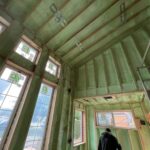
Spray foam is useful in many of these irregular areas because it expands to fill gaps and adheres to the surrounding surface. The goal is not to fill every visible space indiscriminately. It is to create a continuous air-control layer that works with the rest of the building assembly.
4. Your heating or cooling system cycles more than expected
Frequent cycling can have several causes, including equipment settings, maintenance issues and duct problems. It can also happen when the home gains or loses heat faster than the system can comfortably manage.
Pay attention to timing. If cooling demand stays high after the sun moves off the roof, attic heat may be part of the problem. If heating starts quickly on cool mornings and rooms lose warmth soon after the system shuts off, air leakage or under-insulated surfaces may be contributing. An insulation assessment and an HVAC check answer different questions, and both may be worthwhile when the cause is unclear.
5. The attic hatch tells a different story from the ceiling around it
An attic hatch is a common weak point because it interrupts the insulation and air barrier at the top of the house. Look for a hatch that is uninsulated, poorly weather-stripped or surrounded by visible gaps. Dust marks around the frame can also suggest air movement.
Do not disturb insulation or enter an attic unless it is safe to do so. Attics can contain exposed wiring, low-clearance framing, fragile ceiling surfaces and airborne fibres. A professional can inspect coverage depth, eaves, penetrations and the hatch without damaging the existing system.
6. Floors near the exterior feel cool on the first crisp mornings
Cool floors can point to an uninsulated or air-leaky rim joist, crawl space or cantilever. These areas sit at complicated transitions where wood framing, concrete and exterior cladding meet. Small gaps repeated around the perimeter can add up to a noticeable comfort problem.
Closed-cell spray foam is often considered for rim joists and certain crawl-space or foundation-wall assemblies because it can provide insulation and air sealing in one applied layer. Moisture sources, drainage and the overall assembly still need to be assessed first. Insulation should never be used to hide an active leak.
7. Existing insulation looks patchy, compressed or displaced
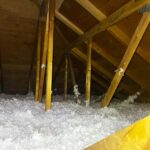
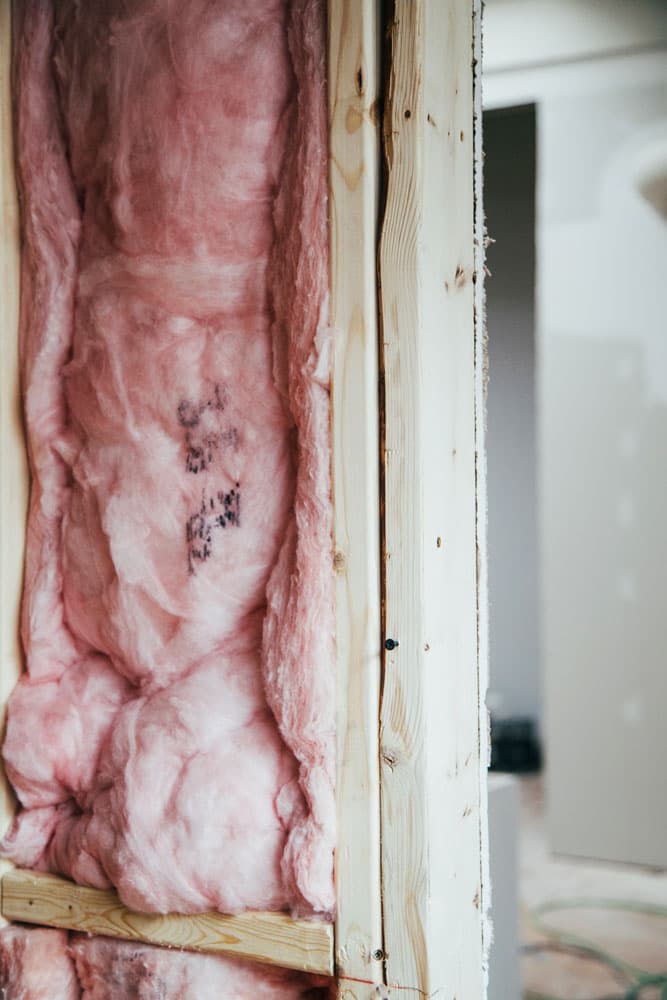
Insulation performs best when it is continuous and installed to the intended depth. Storage platforms, renovation work, pests, wind washing near eaves and years of access can leave attic insulation thin or uneven. Batts may also have gaps around framing or services.
A quick glance from the hatch can reveal obvious trouble, but it does not show every air leak or concealed cavity. Treat visible irregularities as a reason for a proper assessment, not a complete diagnosis.
Why September is a smart time to investigate
September offers useful clues before the long stretch of cooler, wetter weather. You can still remember which rooms struggled during the heat, and you can compare those observations with the first cool mornings. It is also a practical time to address attic, crawl-space and air-sealing concerns before winter comfort becomes urgent.
For homeowners in communities such as Victoria, Saanich, Mill Bay, Duncan, Chemainus, Ladysmith and Nanaimo, the details vary with the home’s age, exposure and renovation history. A 1970s rancher, a waterfront cottage and a newer two-storey home can have very different weak points even when the symptoms feel similar.
Turn seasonal discomfort into a useful plan
Make a simple room-by-room note for a few days: when the discomfort happens, which surfaces feel warm or cool, and how long the heating or cooling system runs. That information gives an insulation professional a better starting point than a general complaint that the house feels uncomfortable.
HD Horne Sprayfoam & Insulation Ltd. provides spray foam, blown-in and batt insulation services on Vancouver Island. Contact the team to arrange an on-site assessment and find out whether attic coverage, targeted air sealing or another insulation upgrade is the right next step for your home.